9 hr
Mekong Delta & Coconut Village Day Tour from Ho Chi Minh City
- Expert local guide
- Small group
- Skip-the-line access
- Free cancellation
Ben Tre Day Trip — Coconut Villages & Reserved Canal Tours
Palm shadows on brown water, sampans drift toward morning.
Compare fares, pick the fit — all bookings are mobile-voucher and eligible for free cancellation where shown.
9 hr
9 hr
9 hr
Most travelers who compare both call Ben Tre the quieter, more authentic ben tre day trip, while My Tho wins on convenience and easier access for first-timers.
|
Top pick Ben Tre |
My Tho | |
|---|---|---|
| Distance from Ho Chi Minh City | 85-90 km, about 2 hours | 70 km, about 1.5 hours |
| Atmosphere and crowd level | Quiet coconut-grove canals, fewer tourists | Livelier, larger tour groups converge here |
| Main activities | Coconut candy workshops, cycling, canal rowing | Vinh Trang Pagoda, fruit orchards, folk music |
| Boat experience | Small sampan through narrow shaded canals | Larger boat across Tien River to islands |
| Best for | Photographers, slower-paced cultural immersion | First-timers, families, easy group logistics |
| Typical duration | Full day, 6-8 hours round trip | Full day, often paired with Ben Tre stop |
| See tickets & prices |
Verdict: Choose the ben tre day trip for authentic village pace and mobility-friendly flat cycling paths, and pick My Tho when travel time and established infrastructure matter more than quiet canals.
Hand-picked experiences loved by thousands of travelers
10 hours
Free Cancellation
Explore rural Ben Tre by boat, bicycle & canal — a genuine slice of Mekong life far from the tourist trail.
9 – 9.5 hours
Free Cancellation
Cruise lesser-known Mekong waterways, explore pagodas, farms & enjoy a 5-course lunch.
12 hours
Free Cancellation
Escape the tourist crowds on a 12-hour deep dive into Ben Tre's waterways and Cu Chi's wartime tunnels.
Board a private boat at a local pier such as My Long or Ham Luong and begin cruising a coconut-lined canal.
Motorboat past dense coconut palms and Nipa palm creeks, observing river commerce and fishing nets along the banks.
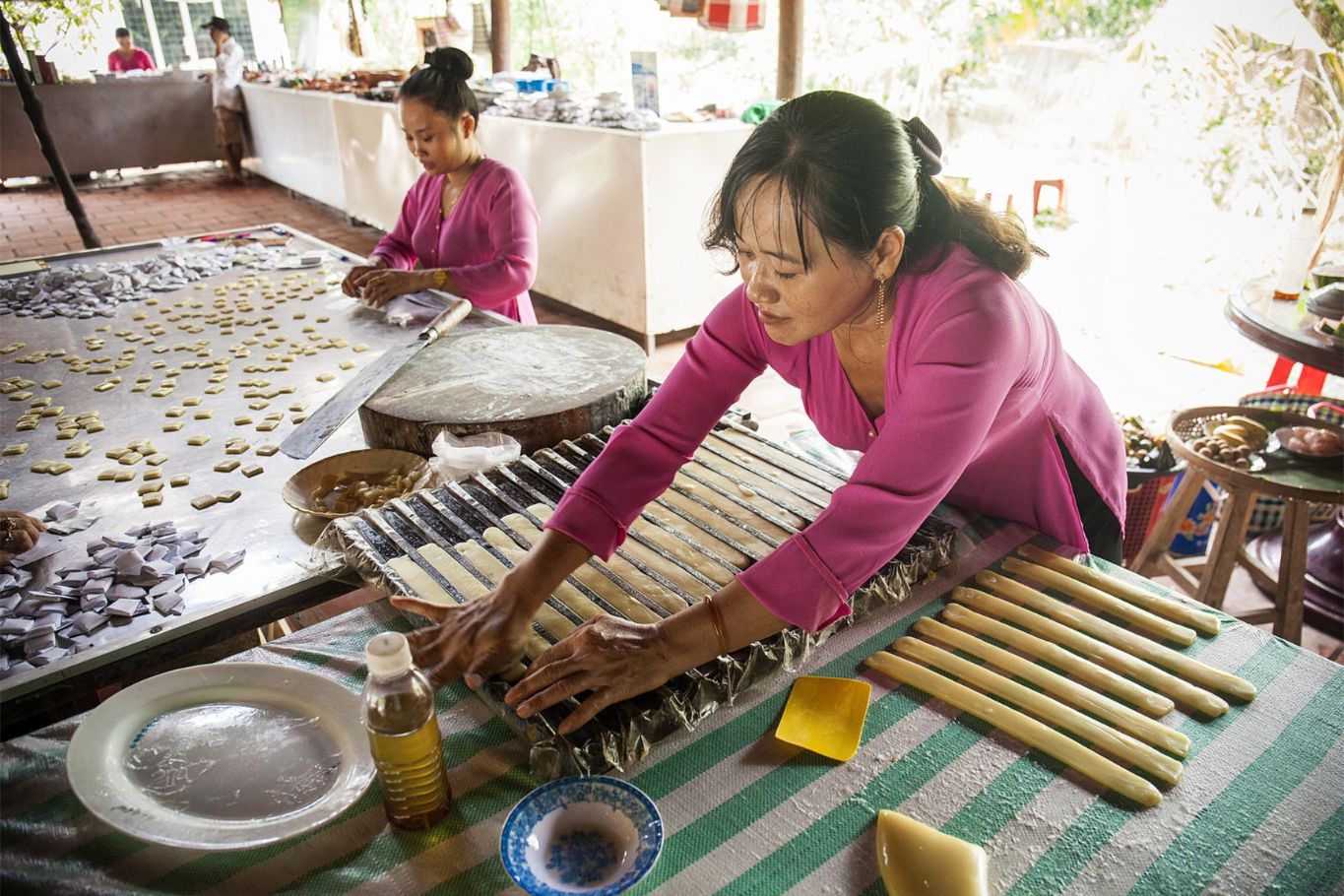
Stop at a family-run coconut candy or brick-kiln workshop to watch the hand-processing of coconut fiber, charcoal, or clay bricks.
Cycle or ride a tuk-tuk through village lanes in areas like Thuan Dien or Tan Thach, passing orchards and local homes.
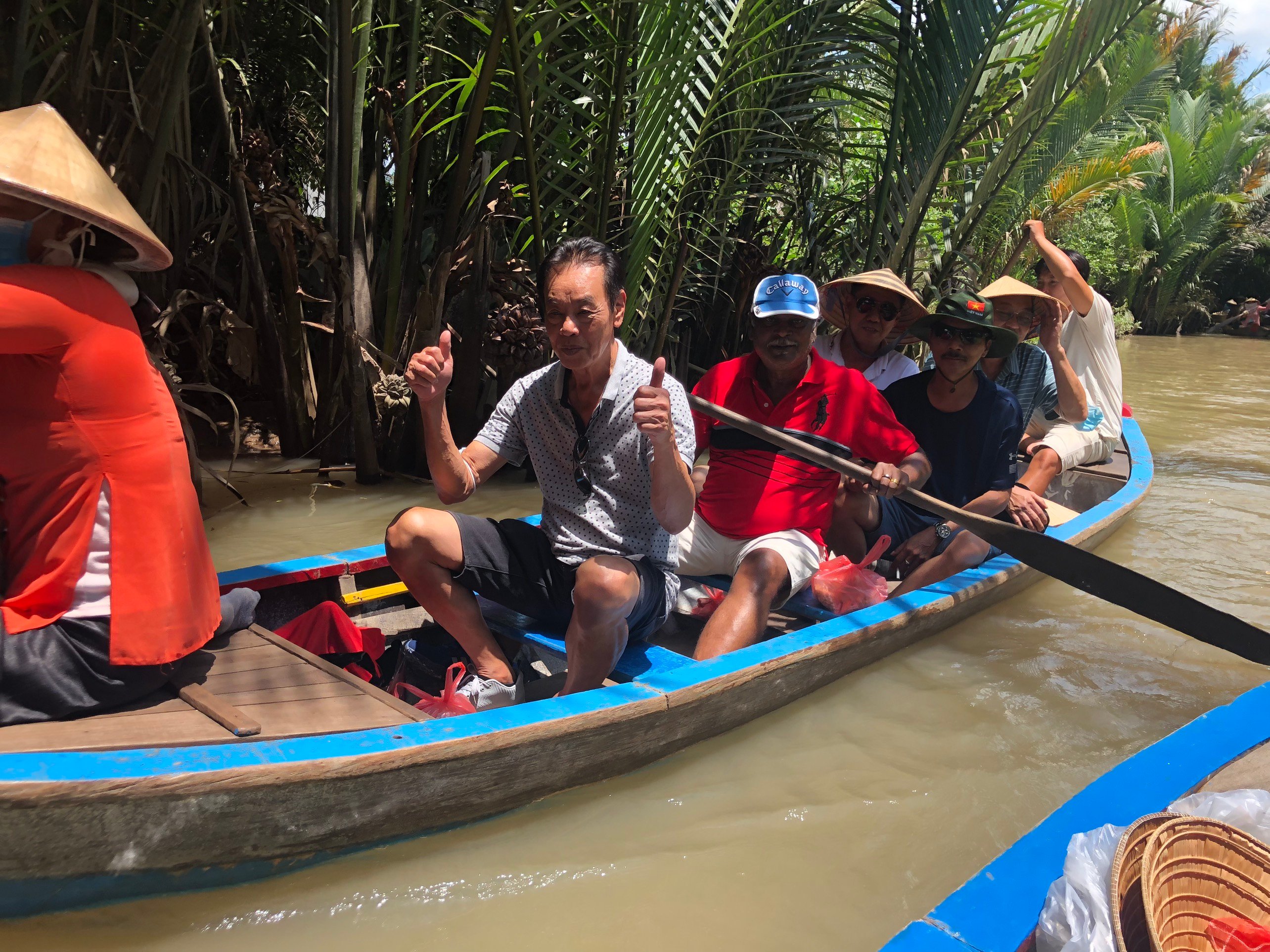
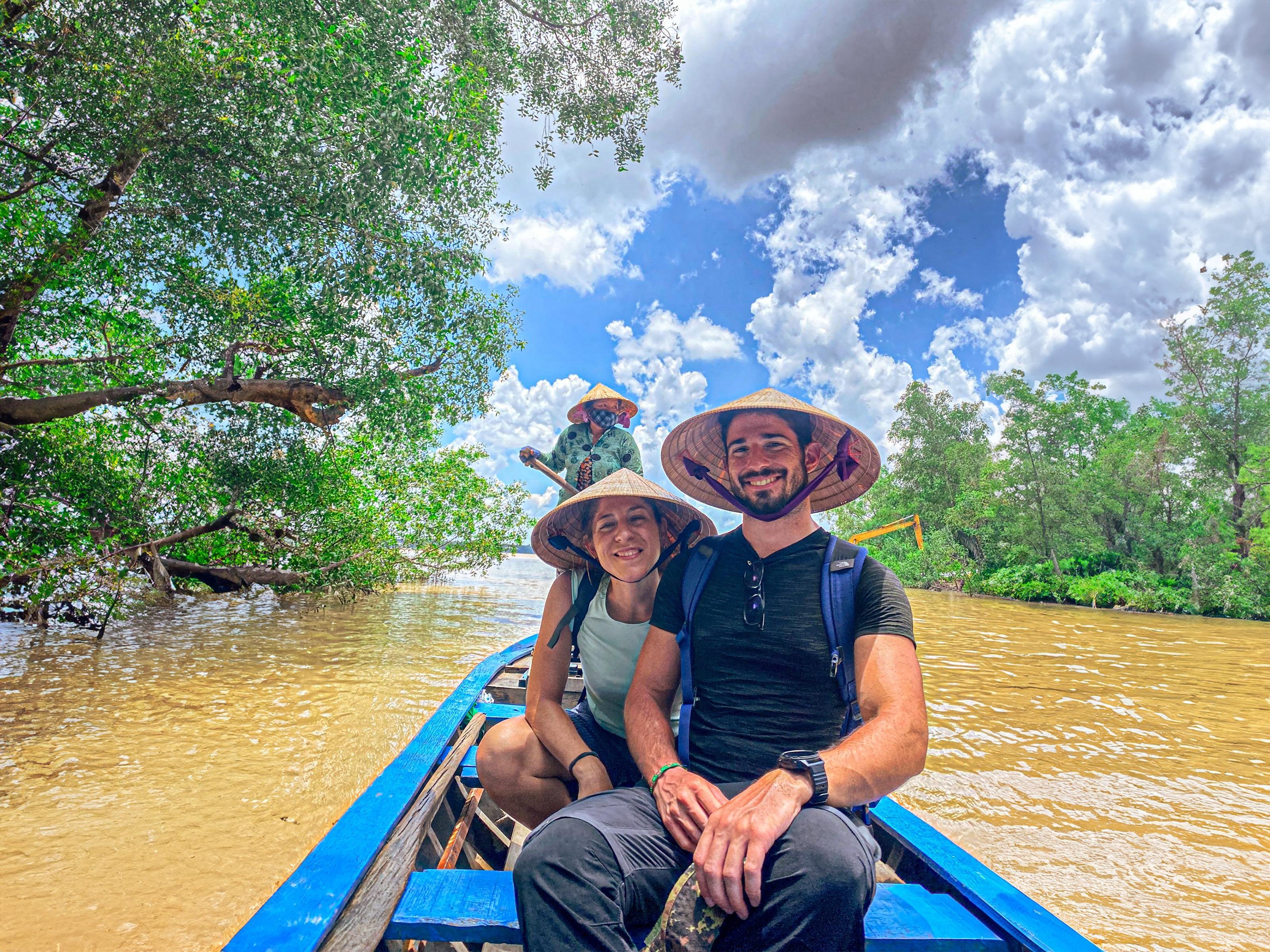
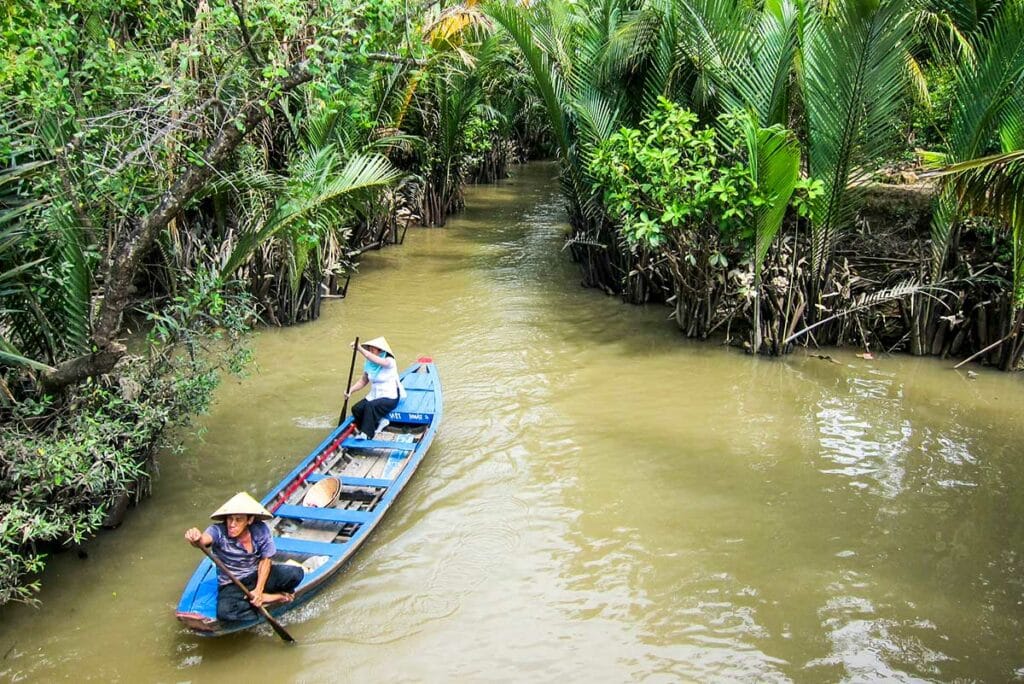
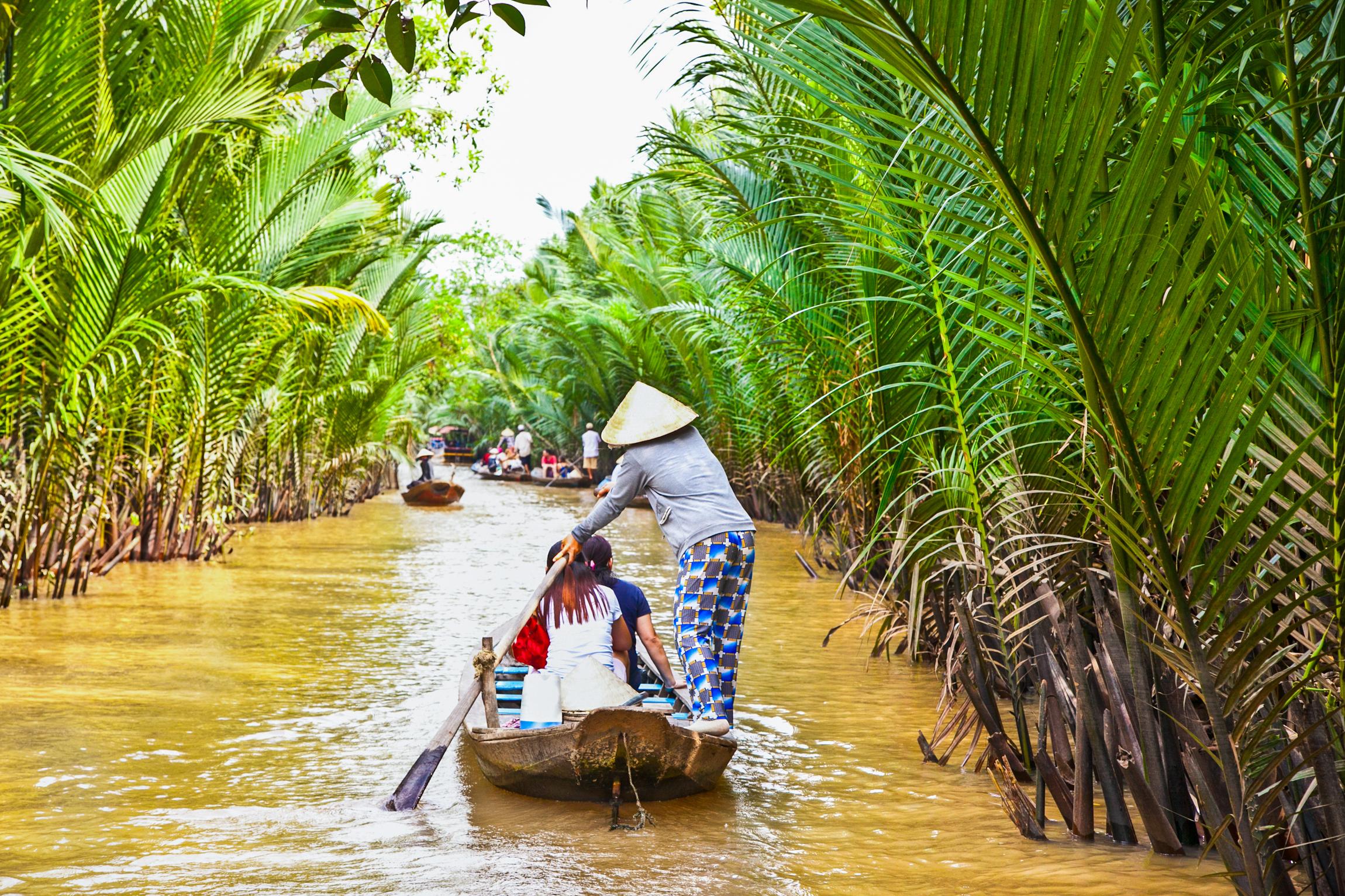
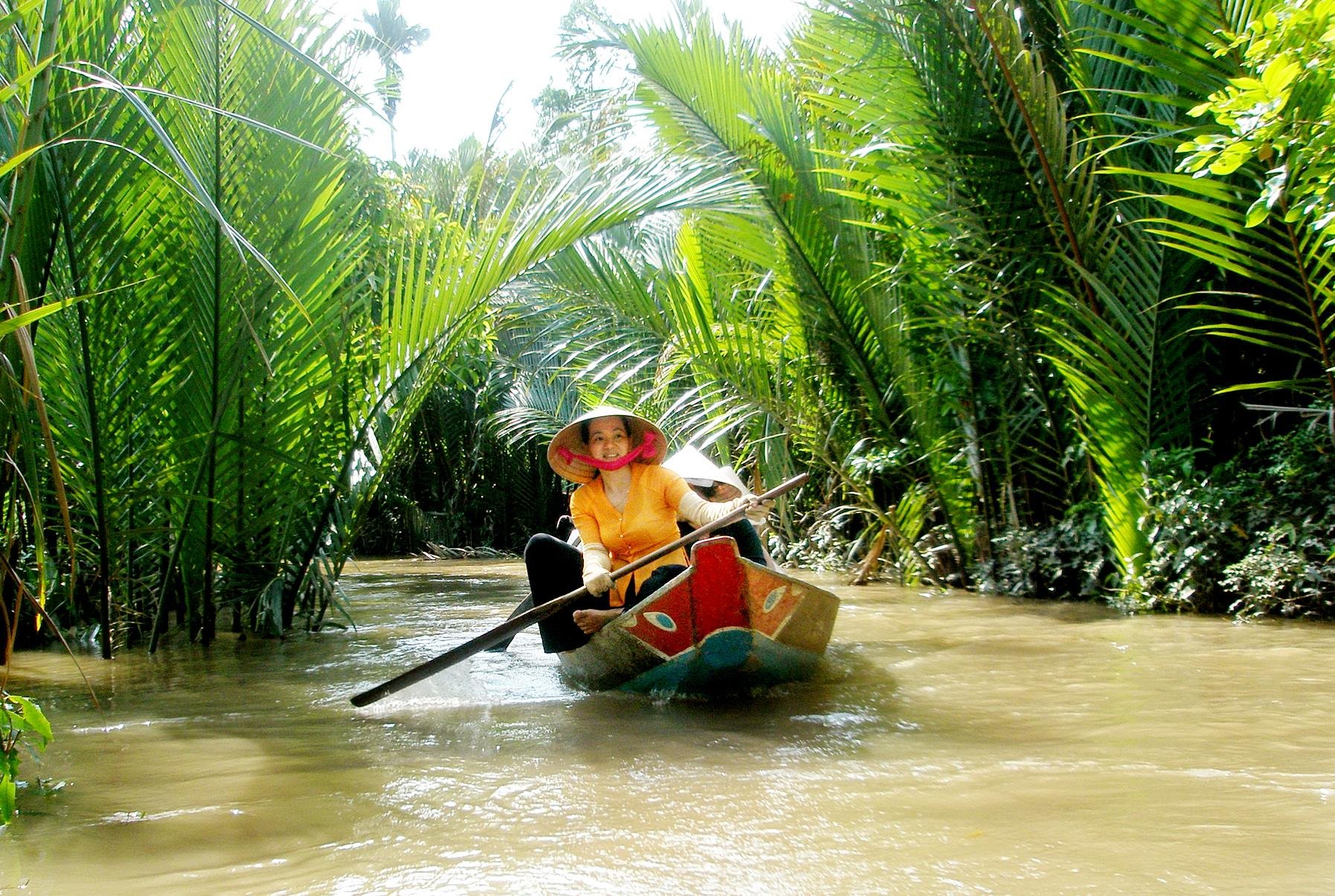
Switch to a traditional rowing boat for a quiet drift beneath overhanging palms on a smaller waterway such as the Cai Tac canal.
Stop for a Mekong Delta lunch at a riverside restaurant before the drive back toward Ho Chi Minh City.
A tranquil coconut-lined waterway near My Long pier where private boats begin many Ben Tre routes, running through dense palm cover that keeps the water shaded even at midday. Fishing nets and small cargo boats along its banks reflect ongoing local river commerce.
A wider waterway used for the initial motorboat leg out of Ham Luong pier, known for views of goods transport and riverside coconut-processing sheds. It connects several of Ben Tre's craft villages before narrowing into smaller creeks.
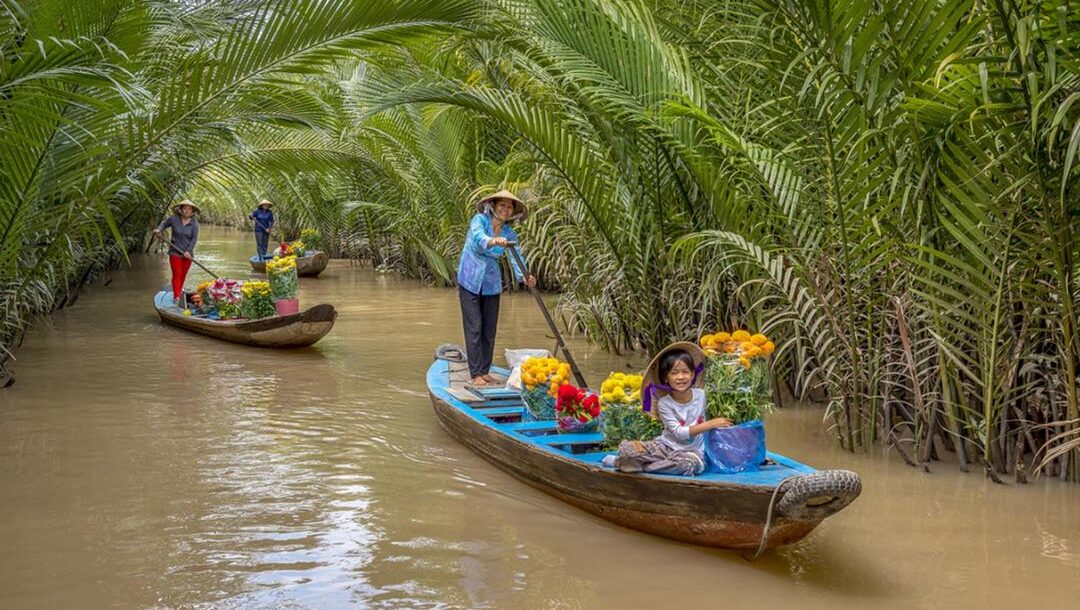
A narrow, palm-shaded canal reserved for the hand-rowed sampan segment of the trip, where boats glide silently beneath overhanging Nipa palms. Its width narrows enough in places that paddles brush the overhanging fronds on both sides.
A family-run production site where coconut flesh is grated, cooked down, and hand-cut into the chewy candy known locally as keo dua, a product this province has been associated with for generations. Visitors typically watch the full process from peeling to wrapping.
A cluster of tall brick kilns along the riverbank using fertile delta clay, some kilns reaching several meters high and still fired using traditional wood-burning methods passed down through generations of local families.
Shaded countryside paths through fruit orchards and small farms, typically explored by bicycle or tuk-tuk, where visitors pass grazing water buffalo and small household coconut-fiber operations along the way.
You leave Ho Chi Minh City early, and by the time the minibus crosses the Rạch Miễu bridge the traffic has thinned to bicycles and the river opens flat and brown below you. Aim to reach the water between 07:30 and 10:30, when the air stays cool and the canals are quiet before the midday heat settles in. At the jetty you step down into a motorised sampan and push off along the Hàm Luông. The channel narrows. Nipa palms close overhead, and you trade the engine boat for a hand-paddled rowing sampan that slips into a side arroyo barely wider than the hull. A woman in a conical hat works the oars from the stern while dragonflies skim the surface. You climb out at a coconut-candy workshop. Someone hands you a still-warm strip cut straight from the copper pan, and you watch the slab get pressed, sliced, and wrapped in rice paper that dissolves on the tongue. Next door, a still drips clear rice wine; you taste it if you like, or move on. By late morning you cross a monkey bridge — a single bamboo pole with a rail — testing each step over a green ditch. A bicycle waits on the far side, and you ride a loop between orchard walls, past pomelo trees and stilt houses, before a lunch of elephant-ear fish served whole. This ben tre day trip ends where it began, at the jetty, the copper pans still roaring behind you.
All the details about your upcoming adventure in one place
A ben tre day trip carries you deep into the Mekong Delta, where sampan rowboats glide along shaded canals lined with nipa palms and water coconut groves. Guided ben tre day trip tours pair rowboat rides through narrow waterways with visits to fruit orchards, brick kilns, and small workshops along the river islands. Expect calm backwater channels, tropical fruit tastings, and a slower rhythm than the busier delta towns.
Ben Tre sits on three islets shaped by silt where the Mekong splits into its final channels before the South China Sea. The province is named for the tree that defines it: bến tre means "bamboo landing," yet coconut, not bamboo, made its fortune. More than 79,000 hectares of coconut palms grow here, roughly a third of Vietnam's entire crop, and the fruit feeds an economy of oil pressers, fibre weavers, and confectioners who have worked the same canal-side lots for generations. The signature product is kẹo dừa, coconut candy, boiled from fresh milk and malt in wide copper pans. Production traces to the mid-twentieth century, when a woman named Nguyễn Thị Ngọc from Mỏ Cày reputedly refined a recipe sturdy enough to sell beyond the local market. By the 1970s the sweet had a name attached to a district, and family workshops multiplied along the Hàm Luông and Cổ Chiên rivers. Workers still cut the warm slab by hand, wrap each piece in edible rice paper, and stack them in printed boxes while the fire keeps its low roar. A well-run ben tre day trip usually threads through one of these workshops, where the smell of caramelising sugar reaches the water before the building does. The province matters today for reasons beyond candy. Ben Tre was a heartland of the 1960 Đồng Khởi uprising, and the flat, waterlogged terrain that sheltered resistance fighters now shelters an economy built on small craft: sleeping mats woven from sedge, brooms bound from coconut spine, bricks fired in beehive kilns along the riverbank. The delta here is a working landscape, not a preserved one, and that ordinariness is its appeal. Geography explains the rhythm of a visit. Ben Tre lies about 85 kilometres southwest of Ho Chi Minh City, close enough for a single day yet far enough that the arterial highways give way to dirt lanes and monkey bridges — thin arcs of bamboo and coconut trunk lashed over the narrow arroyos. Water is the true road. Sampans carry passengers down channels roofed by nipa palm, past stilt houses and fish traps, into tributaries too shallow for engines. Entry to the province and its villages costs nothing; admission is free, though individual craft stops and boat operators may charge modest separate fees for a paddle through the coconut groves or a seat at a honey-and-tea tasting. Architecturally, Ben Tre offers no monuments. Its interest lies in vernacular fabric: the low tiled roofs of ancestral houses, the kilns shaped like inverted cups, the plank piers greased dark by decades of unloading. Many ben tre day trip tours pair a river crossing with a bicycle loop through orchards of pomelo, longan, and durian. The result is a portrait of the lower Mekong at close range — a place organised around tide and harvest rather than spectacle, where the landscape's meaning is made by hand, one wrapped sweet at a time.
The delta here is a working landscape, not a preserved one, and that ordinariness is its appeal.
Lightweight, breathable clothing is recommended given the tropical humidity around Ben Tre's canals, plus a hat and light rain jacket in the May–October wet season. Closed-toe sandals help on slippery pier steps and muddy village paths, and a light cover-up is useful when visiting family workshops.
Small backpacks or dry bags are practical on sampan and rowing-boat sections of a Ben Tre day trip, since larger suitcases don't fit narrow hulls. Boat operators typically provide life jackets, and bags should be kept close on board as canal boats have limited storage.
Personal photography and video are permitted along the canals, coconut workshops, and craft villages. Ask before photographing individual artisans or family members at brick kilns and candy workshops, as these are working households rather than staged exhibits.
Life jackets are required for children on all boat and sampan segments, and a caregiver should stay within arm's reach on piers and narrow canal boardwalks.
Wheelchair access is limited on this trip because canal boats, rowing sampans, and village boardwalks involve steps, narrow gangways, and uneven dirt paths. Travelers with mobility restrictions should ask operators in advance about wider motorboats or car-accessible workshop stops as alternatives to the smallest hand-rowed boats.
Bottled water and packaged snacks may be brought aboard boats, but glass containers are discouraged on sampans for safety. Fresh coconut water and fruit sampled at workshop stops are provided by the operator as part of the itinerary rather than something visitors bring themselves.
Quiet weekday, few coach groups
Slightly busier ahead of weekend
Heaviest boat traffic on canals
Opening hours
07:00–17:00 daily
Address
Ben Tre Province, Mekong Delta, Vietnam
Terrain
Boat piers, canal boardwalks, unpaved village paths
Best arrival window
07:30–10:30 for cooler canal air
Entrance fee
Free entry (craft-village and boat fees may apply)
Distance from Saigon
About 85 km, roughly 2 hours by car
Car · 1.5–2.5 hrs · $$-$$$ (private car or transfer)
A private car or taxi from Ho Chi Minh City covers roughly 85 km to Ben Tre in about 1.5–2.5 hours via National Road 60, with no ferry crossing required since the Rach Mieu bridge links the provinces. Most day-trip operators include this transfer as part of the ben tre day trip package.
Public transport · 2–3 hrs · $ (bus fare)
Buses depart Ho Chi Minh City's Mien Tay bus station for Ben Tre roughly every 30-60 minutes, taking about 2-3 hours depending on traffic and stops.
Boat · Varies by itinerary · Included in most tour packages
Once in Ben Tre, private motorboats and hand-rowed sampans depart from local piers like My Long or Ham Luong to reach the coconut canals and craft villages.
Bike · 30–60 min segment · Usually included in tour price
Bicycles are commonly rented at village stops for short rides through orchard lanes in areas such as Thuan Dien or Tan Thach.
Most operators running a ben tre day trip allow free cancellation up to 24 hours before pickup, with a full refund issued after that point. Since there is no fixed entrance fee for the province itself (0 VND, per the canonical facts), refunds apply only to booked boat, craft-village, or lunch add-ons rather than a gate ticket.
Weather · crowds · average price — dots go green to amber to red as each metric rises.
Lowest rainfall and cooler air, with daytime highs around 27–31°C, making this the most comfortable window for a ben tre day trip. Roads and canals are calmest, and fewer sudden downpours interrupt boat schedules.
The hottest stretch of the year, with highs reaching 34–37°C, so early starts within the 07:30–10:30 arrival window matter most here. Humidity builds quickly by midday.
Frequent afternoon showers, with July, August, and September the wettest months; mornings are usually dry, so a ben tre day trip scheduled before midday avoids most rain. Canal water levels rise, which can actually widen some rowing-boat routes.
Rainfall tapers off as the dry season approaches, with moderate humidity and greener coconut groves left over from the wet months. A good shoulder-season option with smaller tour groups.
Tours that begin around 07:30-08:00 reach the canals before the midday heat and before larger coach groups arrive, matching the recommended 07:30–10:30 arrival window.
Craft workshops and boat vendors along the canals mostly deal in cash, and small denominations make tipping and small purchases easier.
Sampan and rowing-boat sections can splash, so a dry bag protects phones and cameras during the narrower canal stretches.
Since the Rach Mieu Bridge links Ho Chi Minh City's route to Ben Tre, ask your driver whether the trip avoids ferry waits, which can add unpredictable time.
Coconut candy and brick-kiln workshops are working family businesses, so a quick request before photographing individuals is appreciated.
Canal depth changes with the tide and season, so rowing-boat routes may be adjusted slightly by the boatman on the day.
Many operators combine a Ben Tre day trip with a stop at Unicorn Island or Vinh Trang Pagoda near My Tho for a fuller Mekong Delta itinerary.
My Long, Ben Tre Province, Vietnam
Common boarding point for canal cruises into Tai Phu canal
Get directionsHam Luong, Ben Tre City, Ben Tre Province
Alternate boat departure point on the Chet Say River
Get directionsWide open-sided workshop where artisans stir caramelizing coconut milk in giant woks over wood fires, then hand-cut and wrap the candy in rice paper. Stand at the doorway facing the woks for the steam-and-firelight shot, or move beside the wrapping table for close-up hand-work frames. This stop is a fixture on almost every ben tre day trip itinerary out of Kirin (Kỳ Lân) islet.
Traditional Vietnamese pagoda architecture with tiered rooftops, carved dragon motifs, and a quiet courtyard that frames symmetrical shots of the main hall facade. Shoot straight-on from the courtyard entrance for the full roofline, or angle from the side gate to catch the eaves against the sky.
Wooden stilt houses raised over the water on a quiet tributary, framed by dense coconut groves along the bank. Best shot from a sampan drifting past the houses at water level, capturing the stilts' reflection and the palm canopy behind.
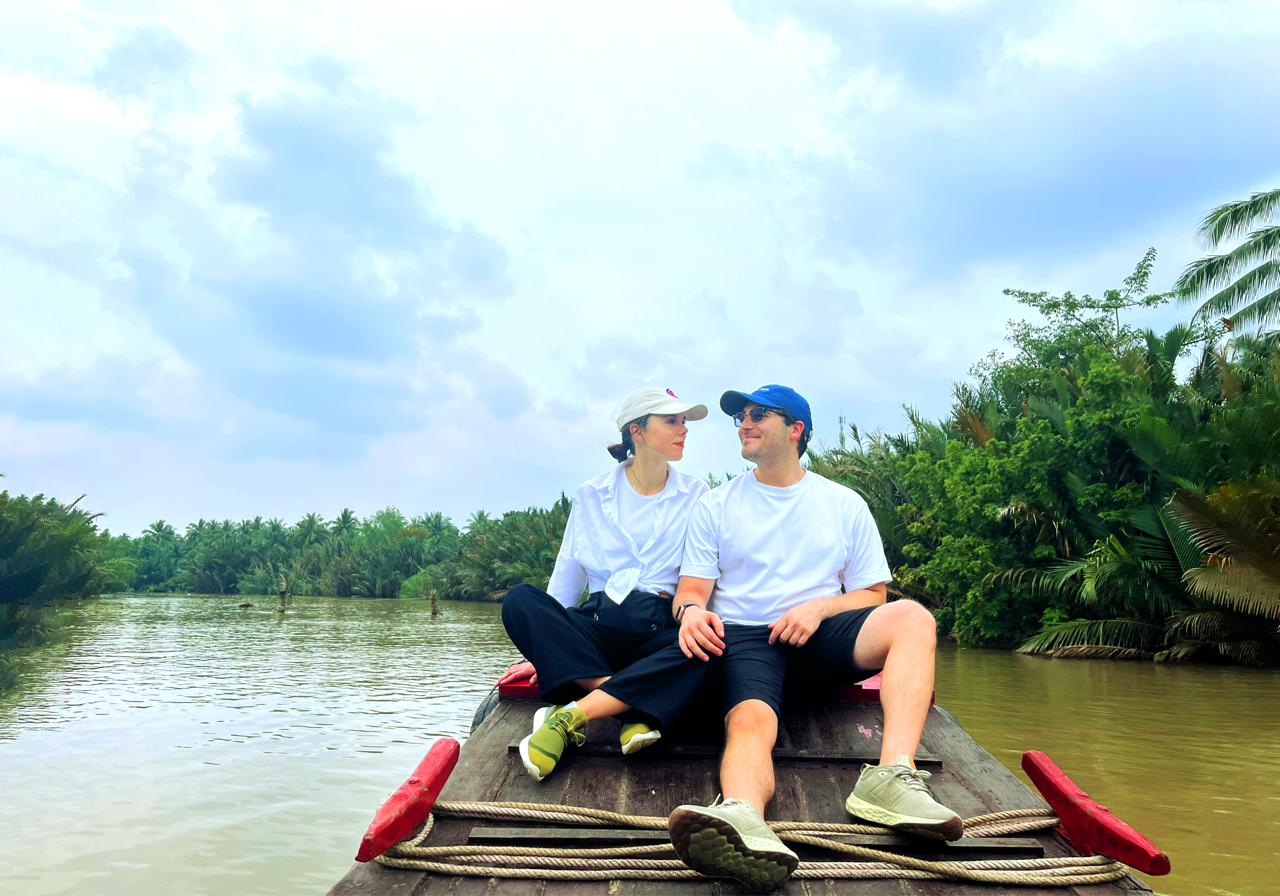
A tight, shaded canal corridor lined with coconut palms and water hyacinth where a rowed sampan glides between overhanging fronds, producing the classic Mekong reflection shot with the boat's wake mirrored on still water. Best framed from inside the sampan, low angle, looking down the canal's vanishing point.
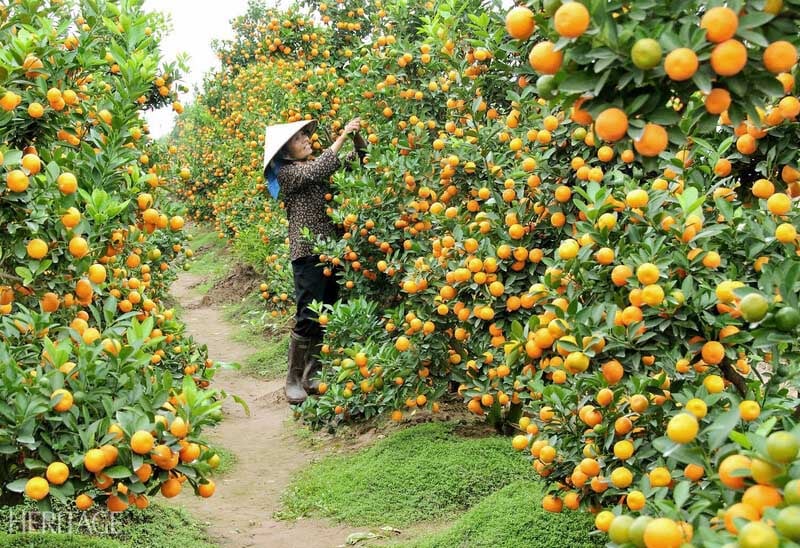
A shaded fruit-orchard walkway on Kirin Islet lined with tropical trees, offering a green, dappled-light backdrop for portrait shots along the dirt path between rows.
A ben tre day trip mixes boat transfers, short walks, and workshop stops, which suits kids who can handle a full outdoor day but tire of long stretches in one mode of transport. Families who break the day into short, varied segments tend to have the easiest time with young children.
Plan the day as short bursts: 20-30 minutes on a boat, then a stop, rather than one long river journey. Kids do better when the canal cruise, coconut candy stop, and tuk-tuk ride are spaced out with breaks to stand and move.
The coconut candy workshop is the easiest win: it's short, hands-on, and ends with a taste test. The tuk-tuk (xe loi) ride through the village is also a hit, since it feels like a fun open-air ride rather than another sit-down transfer.
Bring a hat, sunscreen, and bug spray, since much of the day is outdoors near water and palm groves. A change of clothes helps too, as boat decks and canal banks can be damp or muddy.
Narrow sampans require sitting still and low, which can be hard for toddlers, so seat younger kids between adults rather than at the edge. Larger canopied boats on the wider river are easier for restless children than the narrow palm canals.
Coconut water sold along the river is a good way to keep kids hydrated between stops without carrying extra bottles. Shaded rest points at the workshops give a natural cue to pause and cool down before the next boat leg.
Eating here happens along the itinerary rather than at a sit-down restaurant strip, with most stops built into a ben tre day trip through coconut villages and canal-side hamlets. Bring small cash for tastings and craft-village snacks between the boat and bicycle legs.
Watch candy being hand-rolled over open pots, then sample warm pieces straight off the tray. Busiest late morning when group boats converge; a quick stop suits any pace.
Riverside tables serve tropical fruit platters — mangosteen, rambutan, dragon fruit depending on season — alongside honey tea poured tableside. Folk music sometimes plays during peak hours, so arrive early for a quieter tasting.
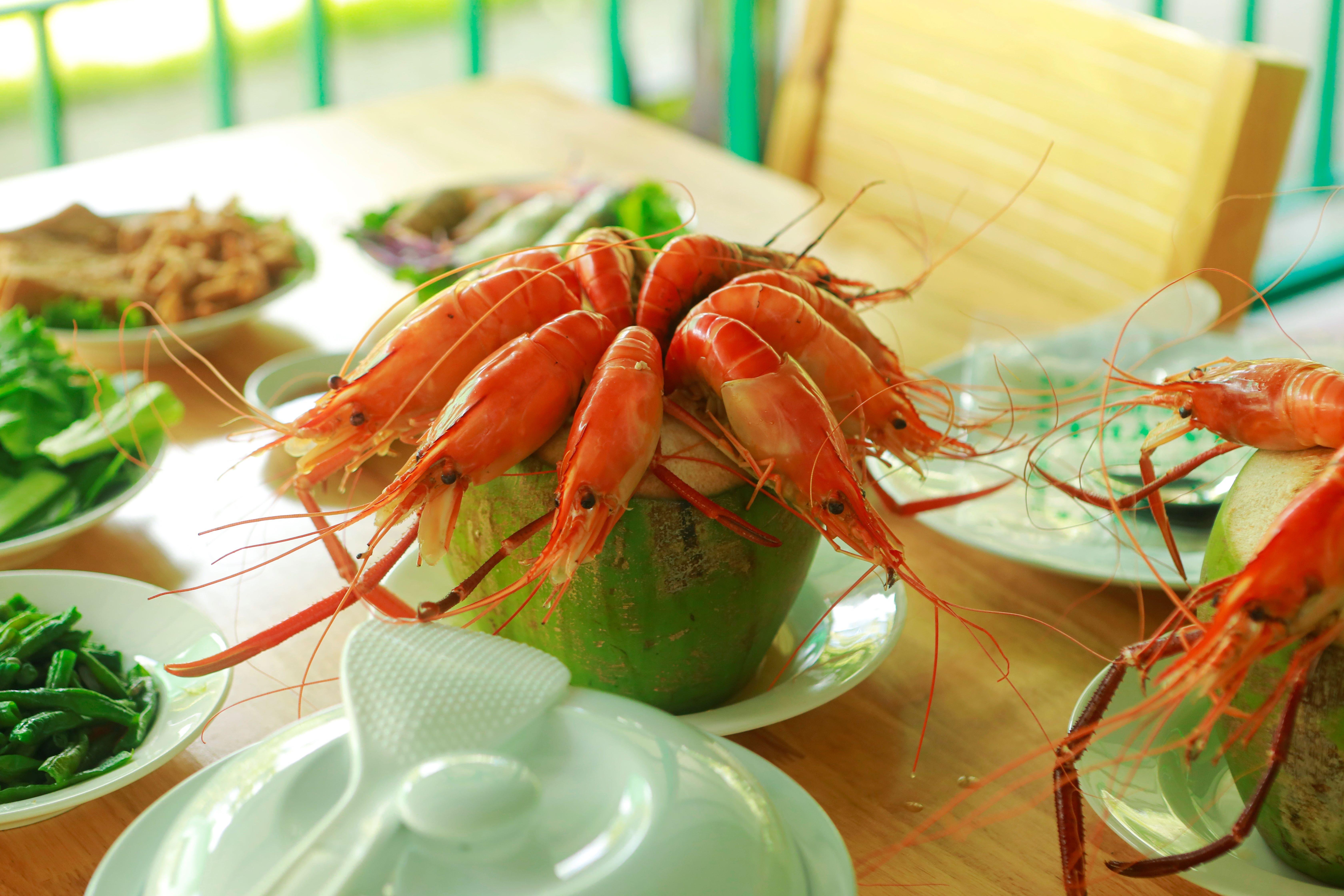
A set Vietnamese meal of sour fish soup, grilled river prawns, and coconut rice served at a family-run village home. Best reserved through a ben tre day trip tour in advance, since seating is limited and fills on weekend group days.
A hands-on stop where visitors help shape their own candy before eating it warm, plus coconut water cut fresh on request. Good short break for families rather than a full meal.
Real experiences from real travelers
The narrow palm canals were the highlight of our ben tre day trip, with the rower gliding us under a green tunnel while dragonflies hovered over the brown water. We went mid-morning before the heat built up and it stayed calm and shaded. The coconut candy stop smelled of caramel and toasted rice.
Nice ben tre day trip tours from Saigon, though the road transfer each way ate up a chunk of the day. Once on the sampan everything slowed down and the delta felt genuinely rural. Bring a hat because the sun off the water is fierce by noon.
I loved how unhurried the Mekong Delta boat tour felt compared to busier spots. The hand-rowed section through the coconut groves was dead silent except for the paddle. Afternoon light through the fronds made the whole canal glow amber.
Our guide explained how nearly everything here comes from the palms, and the ben tre day trip tickets included a fruit tasting with live folk music. The honey tea with lime was a small touch I still remember. We saw a river kingfisher dart across the canal.
A relaxed ben tre coconut island tour with real texture, from the candy workshop to the sampan ride under low palms. The water was glassy in the early afternoon and the air smelled of river mud and coconut. Wear sandals you can get wet.
We booked the ben tre day trip on a whim and were glad to skip the crowds of My Tho side. Rowing through the shaded coconut canals felt like the postcard version of the Mekong Delta. It got hot fast, so an early start helps.
The trip xứ dừa Bến Tre lived up to its coconut-land nickname, with dense groves lining every waterway. A gentle sampan ride, sticky coconut candy fresh off the wok, and tropical fruit under a thatched roof. Late morning had the best light for photos.
One of the more genuine ben tre day trip tour experiences we found in the delta, without the tourist-trap feel. The tidal canal was low when we arrived so the mangrove roots were exposed and full of little crabs. Our rower pointed out fruit bats resting in the palms.
The pace suited us but some in our group found the ben tre day trip a little too leisurely. Still, the coconut groves and the quiet rowing stretch were worth it. Humidity was heavy the afternoon we went.
Gliding through the Ben Tre coconut canals at golden hour was the kind of slow travel I wanted. The candy makers let us try pulling the warm taffy ourselves. Cool river breeze made the heat bearable by late afternoon.
Everything you need to know for your journey
Ben Tre Province is open daily from 07:00 to 17:00, and most ben tre day trip tours operate within this window.
Entrance to Ben Tre Province itself is free (0 VND), though individual craft-village visits or optional boat rides may carry separate small fees.
Wheelchair access is limited on a typical ben tre day trip because canal boats, sampans, and village paths involve steps and uneven ground; travelers should ask operators about car-accessible workshop alternatives in advance.
Small backpacks or dry bags work best on boats, since narrow sampans have limited storage; life jackets are provided and should be worn throughout.
Yes, personal photography is welcome along the canals and workshops, though it's polite to ask before photographing individual artisans at family-run coconut candy or brick kilns.
The dry season from December to March offers the coolest, driest conditions for ben tre day trip tickets, while early-morning departures within the 07:30–10:30 arrival window avoid midday heat year-round.
Lightweight, breathable clothing with closed-toe sandals is recommended given the humidity and slippery pier steps found on most ben tre day trip routes.
Bottled water and packaged snacks are fine on board, though glass bottles are discouraged on smaller sampans; fresh coconut water and fruit are typically included at workshop stops.
Ben Tre is about 85 km from Ho Chi Minh City, roughly a 1.5 to 2.5 hour drive by private car or bus, with no ferry crossing required.
Yes, a ben tre day trip works well for families, though children should wear life jackets on all boat sections and stay close to an adult on piers and boardwalks.
Most operators offer free cancellation up to 24 hours before pickup with a full refund on paid add-ons, since the province itself has no entrance ticket to refund.
Vinh Trang Pagoda and Unicorn Island near My Tho are common pairings, along with the Ben Tre riverside night market for an evening food stop.
A 19th-century Buddhist pagoda blending Vietnamese, French, and Khmer architectural styles, popular as a stop on combined My Tho–Ben Tre routes. Large Buddha statues and ornate gate carvings mark its grounds.
One of the four islands (Dragon, Unicorn, Phoenix, Tortoise) in the Tien River near My Tho, known for fruit orchards and folk music performances.
A riverfront market area known for grilled elephant-ear fish and other local Delta specialties in the evening.
A narrow, palm-shaded waterway used for quiet hand-rowed sampan rides through the coconut groves.
Riverside hotels and guesthouses clustered near the town center, convenient for early boat departures.
Family-run homestays set among coconut orchards, offering an overnight option for a slower-paced Delta visit.
The most common base for day-trippers, with a wide range of luxury and business hotels near the main departure points.
Join thousands of happy travelers who have discovered this incredible experience
Book Your Experience Now